2017년 9월 28일 목요일

고령화 시대의 해결책 ‘생체모방기술’ 600만불 사나이의 부활은 가능할까?

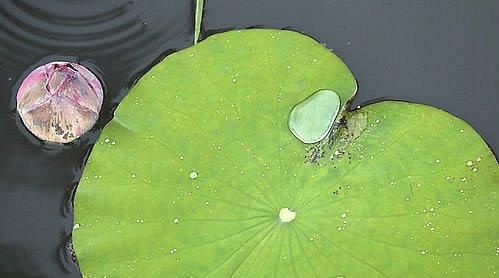
연꽃은 흙탕물에서 자라지만 잎 표면이 매우 깨끗한데 그 원리가 바로 ‘연잎효과’(Lotus effect) 때문이다. 연잎에 떨어진 물방울은 그냥 굴러 떨어지고, 그 물방울이 굴러 떨어지는 동안 먼지도 같이 없어진다. 반면에 일반적인 물체의 표면에는 물방울이 굴러 떨어져도 먼지는 그대로 남는다.

▲ 연꽃잎의 미세한 돌기로 인해 물방울이 맺혀서 굴러떨어진다. 

연꽃잎의 미세한 돌기로 인해 물방울은 맺히지만 먼지가 표면에 달라붙지 못하기 때문에 물방울과 함께 제거되는 것. 과학자들은 “미세 현미경으로 연꽃잎을 관찰하면 잎의 미세한 돌기로 인해 높은 접촉 각도가 생기고 물방울이 그대로 맺히게 된다”고 설명한다.

이 연잎효과는 생체모방기술로 공학적으로 많은 아이디어를 제공한다. 이를 이용해 필름을 코팅한 유리와 거울이 있는가 하면 지난 2009년 10월 포스텍 화학공학과 용기중(42) 교수 연구팀은 연잎효과를 활용, 돌기 대신에 다양한 물질의 나노선(Nano wire)에 발수물질을 코팅해 초발수성 표면을 제작하는 기술을 개발했다. 

또 지난 10일 용기중 교수 연구팀은 연잎효과에 착안힌 또 하나의 개가를 올렸다. 그건 바로 빛의 방향에 따라 반응하는 메모리 소자. 용 교수는 “나노소자와 생체모방기술을 접목해 빛의 입사각에 따라 저항변화 특성이 조절되는 소자기술을 개발했다”고 발표했다.

이처럼 생체모방기술이 항후 고령화 시대의 대안으로 활발하게 연구되고 있다. 그중 가장 관심을 끄는 분야가 바로 고분자 액츄에이더로 작동하는 인공근육과 탄소나노튜브(CNT)로 된 생체모방신경이다. 전문가들은 “고령화시대를 맞아서 신경모방기술이 인공감각기관으로 진화할 것”이라고 말한다.

나노기술(NT)과 더불어 생체모방공학은 장애인과 노인의 한계를 넘어 진짜 600만 불의 사나이의 탄생을 향해 서서히 진화하고 있는 중이다.

장애인과 노인을 위한 생체모방기술
90년대 과학계를 뜨겁게 달군 이슈 중의 하나가 나노기술(NT)이다. 그중 가장 첨단을 달라고 있는 분야 가운데 하나가 바로 생체모방기술이다. 이 기술은 거동이 불편한 장애인과 노인들을 위해 빠르게 발전하고 있다.

지난 2009년 영국에 사는 에릭 존스(Eric Jones)씨는 암투병 중 손가락의 대부분을 잃는 불행을 당했다. 그런데 절망에 빠진 그에게 한 줄기 희망의 빛이 비쳤다, 그건 바로 영국의 터치바이오닉스(Touch Bionics)사가 개발한 ‘프로디지트(ProDigits)’라는 이름의 바이오닉스 기술이었다.

그는 이 기술의 도움으로 현재 장난감 레고 블록을 집을 수 있게 됐다. 프로디지트란 불의의 사고나 당뇨병, 암 등으로 부분 또는 완전 절단된 손가락을 대체하는 기술을 말한다.

그의 인공손가락 내부에는 컴퓨터 회로기판이 들어 있다. 즉, 환자에게 남아 있는 손가락이나 손바닥으로부터 오는 근육신호를 제어하는 소형전자센서가 들어 있어서 이를 통해 로봇 손가락을 움직인다. 또 하나는 손바닥뼈를 둘러싼 근섬유에 대응하는 압력을 이용한 터치패드를 사용하는데 거의 로봇과 비슷한 수준으로 알려져 있다.

생체근육은 액틴이란 가는 섬유와 미오신이란 굵은 섬유로 이뤄진 무수한 단백질 다발로 구성되어 있고, 인체 전기신호에 따라 섬유가 교대로 미끄러져 전체 다발의 수축-이완을 반복 유도하며, 적절한 부피 변형과 힘을 만들어내는 기능을 갖고 있다.

인공근육도 생체근육과 유사한 작용을 해야 한다. 따라서 환경적인 자극요소에 의해 변형, 응력, 변형속도 등이 제어될 수 있는 특성이 요구된다. 전문가들은 “힘의 증가, 신속한 응답, 저전력 구동에너지 등의 성능을 향상시키는 것이 중요하다. 또 사람 몸의 생체적 합성 및 생체조직과의 연계성도 매우 중요한 문제점”이라고 지적한다. 

그럼에도 불구하고, 기존의 인공근육은 부피가 너무 커서 노인 환자나 장애인의 활동에 상당한 제약을 가하는 것이 사실이다.

그런데 최근에 노인과 장애인들에게 희소식이 생겼다. 간단한 생체전기신호에 의해 적절하게 수축과 이완이 가능한 전기활성 고분자(EPA)의 등장으로 인공근육의 부피가 작아지고 있기 때문이다. 그 주인공이 바로 탄소나노튜브(CNT). 이 기술을 응용한 생체모방기술은 한 차원 더 높은 곳을 향하고 있다.
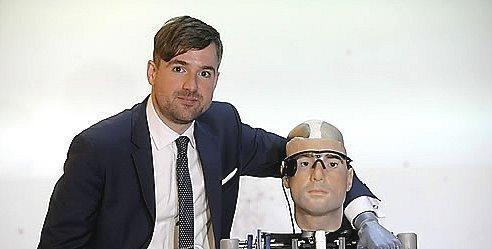
▲ 나노기술의 발전으로 6백만불의 사나이의 부활도 가능해지고 있다. ⓒ연합뉴스

600만 불 사나이의 부활
우주비행사 스티브 오스틴은 훈련 도중 불의의 사고로 두 다리, 한쪽 팔 그리고 오른쪽 눈을 잃지만 6백만 불의 거금을 들여 커다란 트럭도 들어 올릴 수 있는 무쇠팔, 100m를 3.7초에 달리는 두 다리, 그리고 천리도 내다볼 수 있는 눈 등을 새로 갖는 행운의 사나이가 된다.

70년대 최고의 인기를 구가했던 미드 ‘6백만 불의 사나이’는 생체공학((Bionics)이 나오기도 전에 시대를 앞서가는 작가의 뛰어난 상상력에서 탄생했다. 따라서 어디까지나 이야기에서만 존재할 뿐이다.

하지만 21세기 들어 발전하고 있는 나노기술을 통해 과학자들은 6백만 불의 사나이를 이야기속에서 끌어내고 있다. 과연 600만불의 사나이가 탄생할 수 있을까?

천리안의 가능성은 시각생체모방기술에서 찾을 수 있다. 인간 눈의 망막에 심은 이미지 센서는 외부에서 들어온 빛을 화소단위의 전기적 신호로 바꾸어준다. 이것이 바로 CCD(Charge Coupled Device)다. CCD는 빛에 의한 전자들을 출력부까지 이동시킨 후, 전압형태의 신호로 변환시킨다.

이 신호가 광섬유를 타고, 수정체 뒤쪽으로 흘러가면 망막보철이 감응하고, 이 신호는 다시 시신경을 거쳐서 뇌에 전달되면 사물을 인지할 수 있다. 이 기술이 발전하면 미래에 천리안이 가능하지 않을까?

말보다 빨리 달리는 두 다리와 강력한 오른팔은 인간의 머리카락보다 10배나 작은 지름이지만 인공근육보다 1천배 강도가 높은 신소재 탄소나노튜브(CNT)를 이용한 생체신경기술에서 그 가능성을 찾을 수 있다.

지난해 이탈리아 트리에스테대학(University of Trieste) 연구진은 다중벽 탄소나노튜브와 척수를 연결, 나노물질과 신경 세포와의 상호작용을 관찰한 결과 뇌의 신경세포와 닮은 탄소나노튜브는 뛰어난 전기 신호 전도체이고 세포 멤브레인과 기계적으로 접합해 신경 구조와 기능적인 연결을 할 수 있음을 알아냈다.

연구진은 “이 연구결과는 신경 공학에서 나노물질의 적용을 증가시키는데 일조할 것”이라고 말했다.

올해 국내 포스텍 연구팀도 적은 전압으로 인공근육을 움직이게 할 수 있는 전기 감응성 고분자 액츄에이터를 개발했다. 이 기술은 마이크로 센서뿐 아니라 로봇과 인공 근육 등 생체 모방형 기술에 응용 가능성이 뛰어난 것으로 알려졌다.

이렇듯 빠르게 진화하는 생체모방기술의 발전은 ‘600만 불의 사나이’의 부활이 불가능한 것만은 아니란 사실을 말해준다.
사이언스타임즈

생체모방기술과 반도체

생체모방·자연모방 기술은 생물체나 자연이 갖고 있는 원리를 모방해 필요한 기능을 인공으로 만들어 내는 것을 말한다. 인간 모습을 흉내 낸 직립로봇, 새 날개에 착안한 비행기, 민들레 홀씨를 모방한 낙하산, 엉겅퀴 갈고리 원리를 응용한 벨크로(찍찍이) 등 우리 주변에서 흔히 볼 수 있다. 

눈에 보이지는 않지만 뇌 원리를 연구해 지능을 인공으로 모방한 인공지능(AI)도 그 가운데 하나다. AI를 적용하고 인간 팔다리 관절을 벤치마킹한 직립로봇은 말 그대로 인간을 통째로 모방한 산물인 셈이다. 물론 아직 AI 로봇은 초기 단계이고, 공상과학영화(SF)에 등장하는 인간과 똑같은 로봇 수준에 도달하기에는 아직 갈 길이 멀다.

세계적으로 AI 반도체 개발 경쟁이 치열하다. 인텔, 퀄컴, 삼성전자, 네패스, 화웨이 등 반도체업계는 4차 산업혁명 흐름에 대비한 주도권 잡기에 사활을 걸고 있다. 사실 반도체는 4차 산업혁명과 무관하게 인간 뇌에 착안한 연구의 핵심으로 인식돼 왔다. 흔히 메모리 반도체는 인간의 기억 기능, 시스템 반도체124는 인간의 판단 기능으로 각각 설명하기도 한다.

그러나 최근 개발 경쟁에 나선 AI 반도체는 그 단계보다 한 단계 진화된 것이다. AI 반도체가 기존의 반도체와 다른 것은 뇌 신경망 기능을 따온 신경망처리장치(NPU)를 접목했다는 점이다. 즉 학습 능력이 있는 반도체인 것이다. AI 반도체는 기존의 AI 머신 기능을 통째로 회로화한 칩으로 보면 된다. 그 칩을 우리가 일상에서 쓰고 있는 스마트폰, 자동차 등 각종 기기에 적용하면 AI 기능이 구현된다. 

우리가 원하는 기능을 프로그래밍으로 구현한 것이 소프트웨어(SW)다. 이 SW를 작은 칩에 회로로 집적, 전력 소모를 줄이고 빠르게 실행되도록 한 것이 반도체다. 반도체는 단순한 부품 개념을 넘어 모든 기기의 성능과 부가 가치를 결정하는 핵심 기술의 집적체다. 반도체가 4차 산업혁명을 가능케 하는 핵심 산업이자 수혜 산업인 이유도 여기에 있다.
전자신문

생체모방기술(Biomimetics)

여러분은 생체모방기술(Biomimetics)에 대해 아시나요? 과학적인 용어를 듣고 대부분 어려운 단어로 이루어져 있어 이해가 안 된다는 생각을 먼저 하게 될 텐데요. 생체모방기술이란, 이미 완성된 동물이나 식물 같은 자연에서 힌트를 얻고, 원하는 물질로 연구하여 개발하는 학문을 말합니다. 인간의 창의력에는 한계가 있고, 많은 시간을 필요로 하기 때문에 가까이 있는 자연에서 영감을 얻는 것인데요. 일상생활에서는 이미 생체모방기술로 이루어진 것이 많고, 현실에 없어서는 안될 정도로 중요한 역할을 한답니다. 오늘은 생체모방기술에 대해 살펴보고, 어떻게 사용되는지 한 번 알아보도록 하겠습니다.


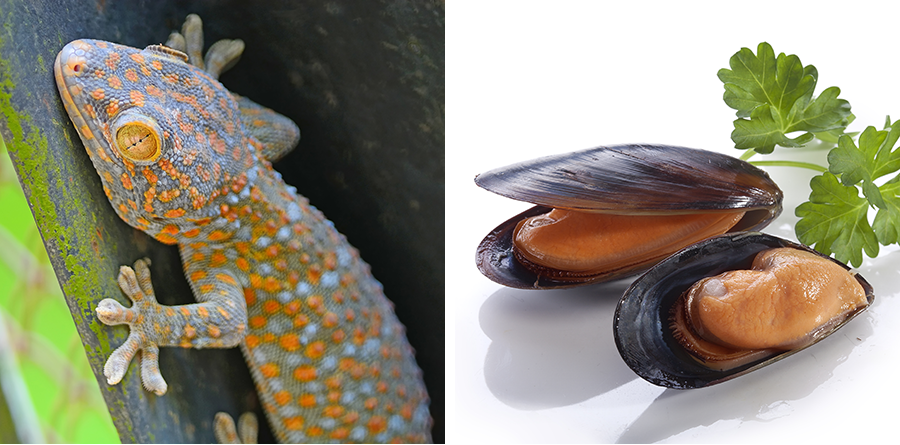
도마뱀과 홍합의 공통점은 #접착력

게코 도마뱀은 첩보 영화의 주인공처럼 중력을 거슬러 벽면을 자유자재로 움직입니다. 홍합은 벽면이나 고정물에 달라붙어 잘 떨어지지 않은 성질을 갖고 있는데요. 이 둘의 공통점은 우수한 접착력을 갖고 있다는 것입니다. 표면에 접착시켜야 하는 성질을 개발하기 위해 게코 도마뱀과 홍합의 성질을 연구하여 만들어진 것이 바로 접착제입니다. 이처럼 자연에서 힌트를 얻고, 현실에 응용하는 과정을 생체모방기술이라고 하며, 최근 건식접착제와 디바이스 접착처럼 IT 시대에 맞는 제품에도 응용시킬 정도로 생체모방기술의 발전율은 무궁무진합니다.


파리의 눈에서 영감받은 #카메라 렌즈

우리는 주변에서 정신없이 날아다니는 파리가 거슬리고, 짜증이 났을 겁니다. 하지만 파리 덕분에 일상에서 꼭 필요한 물건을 개발할 수 있었는데요. 파리의 눈을 카메라 렌즈와 응용시켜 개발한 디지털카메라가 있다고 합니다. 파리는 인간보다 넓은 시야각과 낮은 수차, 동작에 대한 높은 예민함을 가지고 있습니다. 파리의 뛰어난 눈에서 영감을 받아 생체모방기술로 제작된 디지털카메라는 우수한 성능을 자랑할 것으로 보입니다.


아주 작은 느낌도 포착하는 #초고감도 센서

딱정벌레의 날개구조를 살펴보면 미세한 자극과 충격에도 반응할 수 있는 특징이 있습니다. 거미 다리에는 진동을 수용하는 감각 기관인 금형 기관이 존재하여 고감도 센서 역할을 수행하기도 하는데요. 이렇게 민감하고, 낮은 수준의 자극도 감지할 수 있는 초고감도 센서에서 영감을 받은 생체모방기술이 있습니다. 고감도 센서를 이용한 여러 전자기기의 인식 기능을 상승시킨 것인데, 그 예로 원하는 소리만 인지할 수 있는 음성 인식 센서, 휴대폰의 지문 인식, 자판 터치 기술 등 생체모방기술을 통한 초고감도 센서가 실생활에 많이 응용되고 있습니다.


자연으로 이루어낸 IT기술 #웨어러블 기기

최근 IT 연구진은 게코 도마뱀과 홍합의 접착력, 파리의 넓은 시야, 딱정벌레와 거미의 훌륭한 감지 능력처럼 자연에서 발견할 수 있는 특징을 통해 웨어러블 기기 개발에 박차를 가하고 있습니다. 일찍이 출시되었던 스마트 워치처럼 손목에 착용할 수 있는 웨어러블 기기가 선보여졌을 때, 많은 사람의 이목을 집중시켰는데요. 미래에는 신체모방기술을 통하여 바이오 패치와 같이 일상에 유용한 제품이 다양하게 출시될 것으로 예상합니다.

머나먼 이야기처럼 들렸던 웨어러블 기기의 실용화가 현재 이루어졌으니, 미래에는 어떤 흥미로운 것이 등장하여 우리를 설레게 할지 더욱 기대됩니다. 일상에서 쉽게 접할 수 있던 무언가가 생체모방기술을 통해 발전된다면 정말 신기하겠죠?
Hanwha chemical

What is a Telomere?

Telomere (tel-uh-meer) from the Greek telos (end) and meros (part)

Telomeres are an essential part of human cells that affect how our cells age.

Telomeres are the caps at the end of each strand of DNA that protect our chromosomes, like the plastic tips at the end of shoelaces.
Without the coating, shoelaces become frayed until they can no longer do their job, just as without telomeres, DNA strands become damaged and our cells can’t do their job.3
Telomere Biology Gene
Telomeres protect the vital information in our DNA
Telomere Biology
DNA makes up all of the cells in our body. It is the genetic material that makes us who we are. And every organ in our body (skin, liver, heart, etc.) is made up of cells. So, telomeres are vital to our health.
Our cells replenish by copying themselves. This happens constantly throughout our lives. Telomeres get shorter each time a cell copies itself, but the important DNA stays intact.4
Eventually, telomeres get too short to do their job, causing our cells to age and stop functioning properly. Therefore, telomeres act as the aging clock in every cell.
Telomeres are shortened as we age, but telomeres can also be shortened by stress, smoking, obesity, lack of exercise and a poor diet 

Short telomeres are connected to premature cellular aging.
Telomere shortening is involved in all aspects of the aging process on a cellular level. Telomere length represents our biological age as opposed to our chronological age.
Many scientific studies have shown a strong connection between short telomeres and cellular aging.
For example, the immune system, which normally weakens as we age, is highly sensitive to shortening of telomeres. In addition, a 2007 study found that short telomeres were associated with decreases in bone mineral density in women.
Without the protection from telomeres, our cells age and die

Scientists know a lot about telomeres, and they continue to find new evidence about the role telomeres play in the aging process on a cellular level

tasciences.com

2017년 9월 26일 화요일

내 아이가 세계 최고 석학의 자녀로 태어났다면?

버락 오바마 전 미국 대통령의 교육정책을 담당한 교육가, 28살의 나이에 하버드 로스쿨 최연소 교수가 된 변호사, 맨손으로 시작해 5개 기업을 설립하며 2억 달러의 가치를 만들어낸 자수성가 기업가 등 세계 최고 석학과 리더들, 그들이 자녀를 교육한 방법은?

기사 이미지
만약 내 아이가 세계적인 법률가, 심리학자, 교육가, 디자이너, 베스트셀러 작가의 아이로 태어났다면 어떤 교육을 받았을까?
작가 겸 지식콘텐츠 기획자인 허병민 탤런트랩 대표가 펴낸 <최고의 석학들은 어떻게 자녀를 교육할까>(북클라우드)에는 각자의 분야에서 괄목할 만한 성과를 거둔 석학과 리더 35명이 자녀를 키우며 적용한 교육법이 그대로 담겨 있다.
자신들의 부모가 자신을 교육한 방법에 비추어 어떤 것을 물려줄 것인지 어떤 것을 개선할 것인지 고민하고 결정한 과정도 엿볼 수 있어 더욱 흥미롭다. 35인 중 6인의 교육법을 소개한다.

외과 의사
앤서니 아탈라

기사 이미지
<타임>이 선정한 ‘10대 의학 연구 업적’의 주인공이다. 가 뽑은 ‘21세기 가장 선구적인 의학자’에도 이름을 올렸다.
“우리 가족은 저녁을 먹으며 하루 행동을 돌아보는 시간을 가졌습니다. 이 시간을 장미꽃에 비유했어요. 하루 중 최고로 자랑스러운 행동을 장미, 후회되는 행동을 가지, 그리고 내일을 위한 새로운 다짐을 싹이라고 말했지요. 모든 가족이 토론에 참여했고 경험을 공유했습니다. 사람은 완벽한 존재가 아니며, 세상도 완벽하지 않다는 것, 동시에 그래도 옳은 일을 하기 위해 끊임없이 노력해야 한다는 사실을 아이들이 깨달아갔어요. 그 모습을 지켜보는 것은 제 생애 가장 가치 있는 경험이었습니다.”

베스트셀러 작가
윌리엄 폴 영

기사 이미지
소설 <오두막>으로 전 세계 2천5백만 독자를 사로잡은 작가. <갈림길> <이브> 등을 출간했다. 딸 둘과 아들 넷, 여섯 자녀를 키웠다.

“아이가 질문을 하면 대답을 제시하지 말고 역으로 다른 질문을 해보세요. 질문은 관계로 이끄는 초대장입니다. 여러분과 여러분의 아이, 즉 부모 자식 간의 관계를 성장시킬 수 있는 문이지요. 훌륭한 질문은 천 마디 말보다 더 큰 가치를 지닙니다. 부모의 질문과 아이 반응이 오가는 과정은 자녀의 생각과 감정을 특별하게 만드는 기회가 될 것입니다.”


자수성가 사업가
조쉬 링크너

기사 이미지
세계 최대 인터랙티브 홍보회사인 ePrize의 창립자. 빈손으로 시작해 5개 기업을 설립하며 총 2억 달러의 가치를 만들어냈다.
“저는 아이들이 어렸을 때 ‘일’에 대해 긍정적인 태도를 취하려 노력했습니다. 일이 재미있고 즐겁다는 것을 보여줬어요. 일할 수 있는 것은 특권이며 심각하게 여기거나 규칙에 얽매일 필요가 없다고 느끼도록 도왔죠. 아이는 아직 어려도 부모의 일이 무엇인지, 부모가 일을 어떻게 대하는지, 일이라는 게 얼마나 하기 싫은 것인지 보고 배운 뒤 똑같은 태도를 취하게 됩니다. 대부분의 아이들이 학교 공부를 그러한 태도로 일처럼 대하지요. 한번은 딸의 숙제를 힙합 노래로 바꿨던 적이 있습니다. 평범하게 숙제를 하는 것보다 몇 배로 많은 시간과 노력을 들여야 했지만 덕분에 아이들은 일이 멋진 것이라고 보고 느끼고 기억하게 됐습니다.”


변호사
알란 더쇼비치

기사 이미지
28세의 나이로 최연소 하버드대학교 로스쿨 교수가 되었던 미국에서 가장 유명한 변호사. 우리나라에서도 잘 알려진 OJ 심슨 항소재판을 맡은 바 있다.
“저는 아이들이 모든 것에 질문하고 의문을 갖도록 가르쳤습니다. 인간은 ‘사용설명서’를 가지고 태어나지 않기 때문입니다. 무엇이 옳은지 그른지 스스로 판단하고, 스스로 세운 원칙을 변화무쌍하게 수정해가며 살아야 합니다. 아이에게 도전하고, 질문하고, 의심하라고 가르치세요. 유일하게 확실한 것은 ‘모든 것이 불확실하다’는 사실뿐인 현실에 대비해 최선의 준비를 하게 될 것입니다.”


월트디즈니 전 부사장
리 코커렐

기사 이미지
메리어트 코퍼레이션에서 17년, 힐튼호텔에서 8년, 월트디즈니에서 10년을 근무한 고객 서비스업의 세계적 전문가.
“아이들은 부모가 전화 통화를 하거나 누군가와 대화하는 모습을 지켜봅니다. 부모가 남에게 무슨 말을 하고, 대화가 끝난 후에 그들에 대해 어떻게 말하는지 주목합니다. 부모가 말싸움을 벌일 때나 서로에게 해서는 안 될 말을 하는 모습도 보고 듣습니다. 여러분의 목표는 아이에게 좋은 인성이라는 유산을 남기는 것입니다. 이 유산은 손자, 증손자, 그 이후의 자손에게까지 전달될 겁니다. 그런 의미에서 부모는 세상 그 누구보다도 아이를 위한 롤 모델이 되어야 하는 존재입니다.”


신경학자
마이클 포셀

기사 이미지
노화 질환 분야에 관한 최고의 전문가. 스탠퍼드대학교에서 신경학 석사와 박사 학위를 받았고, 30년 가까이 임상의학 교수로 재직했다.
“말과 행동이 일관적이어야 합니다. 아이에게 무엇을 약속했다면 행동으로 보여주세요. 경고했다면 약속을 지키지 않았을 때 어떤 결과가 돌아오는지 보여줘야 해요. 일어나지 않을 일을 하겠다고 말만 해서는 안 됩니다. 아이는 당신이 거짓말을 한다고 깨닫게 되면 당신이 하는 모든 조언을 신뢰하지 않습니다. 자신은 규칙을 지키지도 않으면서 새로운 규칙을 쏟아내는 부모도 있지요. 아이가 부모의 태도에서 무엇을 배우고 있는지 집중하세요.”


“아이가 스스로 걸을 수 있게 해주세요”

35인의 글을 보면 자녀를 기르고 가르친 방법과 과정은 상세히 설명하고 있지만, 그래서 지금 아이들이 얼마큼 성공했는지는 자랑하지 않는다. 얼마나 유연한지, 유쾌한지, 도전을 잘하는지 자녀의 특성에 대해 자랑하는 모습이 인상적이었다. 물론 그들도 부모고 사람이기 때문에 아이가 어느 대학에 갔고 어떤 직업을 가졌는지 자랑하고 싶어 하는 경우도 있었다. 하지만 기획 콘셉트를 설명하며 세속적 의미에서의 성공담은 이야기하지 말라는 참여 조건을 제시했다. 아이를 가르치며 본인이 겪었던 실질적인 과정을 들려달라고 했다. 독자들이 읽으며 현실적으로 적용할 수 있는 이야기를 담고 싶었다.

책에 참여한 35인이 인터뷰에 응하고 글을 써 보내면서 원고료를 요구하지도 받지도 않았다고 들었다. 지금까지 4백여 명의 석학들과 함께 콘텐츠 작업을 해왔다. 그들의 공통점은 가치와 의미를 중요시한다는 것이다. 그렇게 성공한 사람들인데도 불구하고 대부분 ‘내가 이 책에 참여함으로써 독자들에게 가치와 의미를 줄 수 있는지, 그것이 중요하다’고 이야기했다.

한국의 모든 부모들에게 책을 바치고 싶다고 했다. 어릴 때 미국과 한국에서 공부한 덕에 양국의 교육을 모두 경험하며 느낀 바가 많았다고. 우리 문화 아래 자란 사람이고, 또 교육이 변하려면 제도와 문화, 체제와 시스템이 함께 발 맞춰 가야 하는 것이기 때문에 조심스러운 부분이 있다. 하지만 두 나라의 분명한 차이점을 말하라고 한다면 나는 자율성을 꼽는다. 우리나라는 경쟁을 중요시하는 풍토가 있다. 미국에서는 ‘너에게 이런 단점이 있으니 이렇게 개선해야 한다’는 접근이 아니라 ‘너에게 이런 잠재력이 있는데 왜 모르고 있니’라며 아이들을 독려한다. 기본적으로 스스로를 이미 완전체라고 인정하게 하고 잠재력을 폭발시킬 수 있도록 개발하게 돕는다. 그 기본은 아이에게 자율성을 부여하는 것이다.

석학과 리더들의 교육법에서 그러한 공통점이 발견되던가. 베스트셀러 소설가 윌리엄 폴 영은 “아이를 자신의 방식으로 걷게 하라. 그렇게 하면 성장하면서 자연스럽게 자신의 길을 걷게 되리라”라고 했다. 이 말을 책의 맨 첫 페이지에도 실었다. 그들의 교육법을 관통하는 말이기 때문이다. 아이가 옆집 아이보다 발육이 조금 늦거나, 수학을 못할 수도 있다. 그럴 때 한국의 많은 부모들이 아이의 단점을 부각하고 다른 아이와 비교하며 경쟁하게 한다. 이때 내가 온전히 아이를 생각하고 있는 것인지, 부모 자신의 욕구나 욕망이 반영된 것은 아닌지 되짚어 봐야 한다. 아이는 그저 나와 가까운 타인이다. 아이와 내가 다른 존재라는 것을 인정하는 게 교육의 기본 바탕이라는 점이 이 책에 참여한 석학들이 공통적으로 던지고자 했던 메시지다. 아이를 조금 덜 사랑했으면 한다. 아이가 자기만의 방식으로 스스로 알아서 걸을 수 있게 해주고, 부모가 행복하면 아이도 덩달아 행복해질 것이다.
여성조선

2018 과학고 합격 전략

과학고들의 면담 시즌이 다가왔다. 과학고 면담은 최종 면접 대상자를 뽑기 위한 가장 중요한 전형 절차다. 서울 지역 세종과고와 한성과고는 9월 7일 수험생 개인별 면담 일정을 소속 중학교로 통보했고 경기북과고는 9월 26일부터 면담 일정 확인이 가능할 예정이다. 지원자 전원을 대상으로 면담을 진행하는 서울·경기권 과학고들과 달리 인천 지역 과학고들은 서류 평가를 통해 정원의 2~2.5배수 인원을 이미 면담 대상자로 우선 선별했다. 또한 서울·경기권 과학고들이 지원자를 소집하여 면담하는 것과 달리 인천과고와 인천진산과고는 면접관이 수험생을 직접 찾아간다는 것도 다른 점이다. 지방 과학고들 역시 학교에 따라 면담 대상자 규모나 일정·방식 등은 다르지만 면담 내용엔 큰 차이가 없다. 제출서류의 진위 여부 확인이나 그와 관련한 추가 정보를 수집하고 이를 통해 지원자의 기본적인 학업 소양을 1차적으로 평가하는 과정이라 할 수 있다. 우선은 면접 대상자를 뽑기 위한 목적이 크지만 대부분의 경우 그 평가 내용이 최종 합격자 선정에까지 영향을 미칠 수 있다는 점을 감안하고 준비해야 한다.​

2학기 중간고사와 면담
이 시기 과학고 면담을 준비하는 수험생들에게 가장 큰 걸림돌은 3-2학기 중간고사다. 학교나 개인에 따라 차이가 있지만 대체로 중간고사와 면담 기간이 앞뒤로 맞물려 돌아가는 경우가 많기 때문이다. 중간고사 준비로 시간에 쫓겨 면담 대비에 소홀하거나 중간고사에 매진하면서도 면담 걱정으로 마음이 편치 않은 경우가 많다. 강남에 거주하며 올해 과학고 입시를 준비하는 A군도 비슷한 상황이다. 9월말에 중간고사가 끝나는 A군은 세종과고에 지원해 10월 중순으로 면담 일정이 잡혔다. 추석 직후 곧바로 면담을 치러야 하는 상황. 하지만 추석 연휴 기간은 이미 가족들과의 일정이 촘촘히 잡혀 입시 준비가 사실상 불가능하게 됐다. 어쩔 수 없이 중간고사 기간에라도 면담 대비를 병행해야 하는데 사정이 여의치 않다. 이미 제출된 과학고 입시용 학생부에는 3-1학기 내신 성적까지만 포함됐지만 2단계 이후 최종 평가에서는 2학기 성적이 추가로 반영되기 때문이다. 세종과고뿐 아니라 같은 서울 지역 한성과고나 인천 지역 과고들과 경남·제주 지역 과고들이 올해 전형 최종 단계에서 3-2학기 성적을 평가에 반영하거나 참고할 예정이다. 따라서 과학고 입시를 위해 면담 대비에 몰입하다 자칫 중간고사를 망칠 경우, 1단계 통과에는 도움 될지 몰라도 최종 합격에는 장애가 될 수 있다. 이들 학교들에 지원한 경우 일단은 중간고사, 특히 수학·과학 내신 성적 관리에 1차적으로 신경 쓰되 자소서나 학생부를 틈틈이 살펴보며 예상 가능한 질문들을 가끔씩이라도 점검해보는 정도의 균형감은 유지할 필요가 있다. 올해 20개 과학고 중 경기북과고를 포함한 13개 학교들은 3-2학기 성적을 입학전형에 반영하지 않을 예정이지만 그렇다고해서 이 시기 내신 준비에 소홀할 수 있는 것은 아니다. 왜냐하면 1단계 면담 질문으로 자주 등장하는 중학교 수·과학 교과 개념들은 3학년 중간고사 시험 범위 또한 포함할 수밖에 없기 때문이다. 어떤 경우에라도 내신 준비와 과학고 면담 준비가 완벽히 분리될 수 없다는 것이 핵심이다. 특히 올해는 추석 연휴가 길고 10월 첫 주로 다소 늦은 편이라 이 기간의 활용도 면담 준비 성패에 적지 않은 영향을 미칠 전망이다. 불가피한 일정을 제외하고는 가급적 입시 준비에 초첨을 둔 자투리 시간 계획이 필수적이다.

과학고 면담 대비 원칙
상황에 따라 질문이 달라질 수 있는 과학고 면담은 수험생에 따라 그 준비 과정도 달라야 한다. 물론 그 과정에서 누구나 지켜야 할 공통 원칙도 있다. 답변 연습시 유의사항이 대표적이다. 면담 질문은 대체로 수험생이 제출한 서류를 기반으로 이뤄지는 만큼 예상 질문을 뽑아보는 것은 당연한 준비 과정이다. 이때 자연스럽게 자신의 답변 내용도 함께 점검해 볼 수 있는데, 정해진 문장을 만들어 답변 내용을 통째로 암기하는 형태로 준비하는 수험생들이 적지 않다. 그러나 모든 가능한 질문을 예상하는 것이 사실상 불가능하다는 점과 지원자 평소 특성을 확인하고자 하는 면담 취지에 비춰 볼 때 성공 확률은 낮을 수밖에 없다. 설사 준비한 답변을 모두 외웠다 해도 긴장된 면담 분위기에서 잊거나 실수하는 경우가 많다. 수험생 답변에 대한 추가 질문이 많은 면담 특성상 적중률도 기대하기 어렵다. 해당 질문에서 반드시 활용해야 할 어휘 몇 가지만 숙지하고 답변은 그 때 상황에 맞춰 자신의 평소 말투로 자연스럽게 이어가는 것이 좋다. 면담 연습에서는 동일한 질문에 대해서도 매번 다른 방식으로 답변해 보는 것이 오히려 도움될 수 있다.

면담 준비의 또다른 원칙으로, 정답보다는 질문 의도 파악에 집중해야 함을 강조하지 않을 수 없다. 대부분 수험생들은 질문이 나오면 평소의 시험 습관을 끌어들여 정답 찾기에만 몰두한다. 그런데 입학사정관이 던지는 수십 개 이상의 질문 중에는 정답이 없는 질문들도 많다. 때때로 정답이 있는 질문들조차도 정답 여부보다는 답을 유추해 내는 과정이 더 중요할 수 있다. 정답에 집착하는 자세가 실전에서 더 치명적인 것은 수험생이 오답을 말했거나 제대로 된 답변을 내놓지 못했다고 느꼈을 때 오는 스스로의 자괴감 때문이다. 이 경우 많은 수험생들은 탈락에 대한 두려움과 면담을 망쳤다는 실망감으로 소위 말하는 ‘멘붕’을 경험하고, 이후의 질문들에도 제대로 대처하지 못하는 경우가 많다. 질문 의도에 집중하여 자신이 답변 가능한 수준까지만이라도 논리적으로 이야기하는 것이 최선의 답변임을 명심해야 한다. 한두 번의 답변 실수가 당락을 결정하지 않을뿐더러 정답 여부로만 점수가 매겨지는 평가도 아니다. 실제로 과학고 면담에서 쏟아지는 많은 질문들에 대한 지원자들의 답변율은 생각보다 높지 않다. 어려웠던 질문들은 빨리 잊고 자신있는 질문에서 자기 역량을 최대한 드러낼 수 있는 전략이 추천된다.
조선일보

10 Future Inventions Everyone's Been Waiting For

We get it. You feel like all the science fiction of yesteryear promised you a future of flying cars and hoverboards, and none of it has come to pass. Sure, we have Segways and iPads, but it's small consolation when you wake up every day to a world without "Blade Runner" skylines. But these are only 1980s visions of the future. Back in the '50s and '60s, our expectations for the 21st century were even loftier. With science by our side, nothing seemed out of the question.
Just consider "Magic Highway USA." With an hour's worth of stunning animation, this May 1958 episode of "Walt Disney's Wonderful World of Color" awed television audiences with depictions of automated global highways, underwater road systems and antigravity cars [source: Sterling].
A year earlier, Disney's "Mars and Beyond" showed viewers what humanity's future on Mars might entail and even featured segments with famed German-American rocket scientist Dr. Wernher von Braun. It all seemed possible -- and much of it still is.

In this article we'll look at 10 future inventions we've been waiting for all our lives. Which ones are just around the corner, and which ones are mere relics of our post-World War II dreams?
10
Driverless Car

 The Porter Piaggio experimental vehicle (© The Lighthouse/Visuals Unlimited/Corbis)
THE PORTER PIAGGIO EXPERIMENTAL VEHICLE (© THE LIGHTHOUSE/VISUALS UNLIMITED/CORBIS)

We humans are often the most dangerous part of an automobile. That's why scientists have been working on automated highway technology for decades. In the 1990s, the U.S. Department of Transportation sponsored the National Automated Highway System Consortium (NAHSC), which successfully demonstrated the potential of radar, magnetic and visual sensors that allowed test vehicles to navigate a specially prepared length of highway. The U.S. Defense Advanced Research Projects Agency (DARPA) also underwrote an autonomous vehicle research and development program, culminating in its 2007 Urban Challenge.
But this is one future invention that we're probably going to see sooner rather than later. Since the mid-2000s, Google scientists and engineers have been working to develop autonomous vehicles that use artificial intelligence software and Google Maps to navigate. Testing of driverless cars on public roads actually has been approved in Nevada, Florida and California [source: Gudipaty]. In fact, Google says that about dozen self-driving cars are on the road at any given time, and they've travelled 500,000 miles (804,672 kilometers) in beta tests [source: Fisher].
Google still awaits federal and state regulatory approval to engage in more extensive tests, and it's still unclear when -- or rather, if -- ordinary folks will be able to buy a car that drives itself [source: Crawford]. But there's talk that Google is set to build its own driverless car [source: Worstal]. Electric car company Tesla also is throwing its driving cap into the race, claiming it can have a car that does 90 percent of the work by 2016 [source: Carroll
9
Flying Car

The dream of the flying car simply won't go away. Glenn Curtiss rolled out Autoplane in 1917, the first attempt at such a vehicle, and the design trend continues to this day. Terrafugia's TF-X is a newer hybrid design from its older Transition models, but the basic design still breaks down to a vehicle that functions as both an automobile and an airplane.
The popular dream of flying cars, however, lands us slap-dab in the middle of hoverboard country, where we're forced to contemplate the bugbear that is antigravity technology. While the ability to manipulate antigravity would transform transportation immensely, the subject is largely taboo in research circles due to numerous hoaxes and unfounded claims. This doesn't mean serious minds aren't interested. Between 1996 and 2002, NASA's Breakthrough Propulsion Physics Project explored the possibilities of antigravity.
Researchers in France did create a skateboard that can levitate a couple inches off the ground, thanks to some insanely cool superconductor technology [source: Smalley]. Sure, it can only go in a straight line and at a height of a few inches, but who cares: "Back to the Future" is nigh!
8
Underwater City


The ocean presented early humans with a vast mystery. What worlds and fabulous creatures exist in the deep? Today, our understanding has expanded, but the world's waters still offer us an abundance of mystery and awe. We dream less about mermaid cities and sunken Atlantis and instead imagine underwater metropolises and seafloor colonies.
This zeal was especially strong in the late 1950s and early 1960s, when Jacques Cousteau's Conshelf project and the United States Navy's Sealab saw the dream of undersea living realized. Both programs proved that humans can live and work for an extended time underwater. The test subjects tended underwater gardens, tackled underwater construction projects and lived the life of an aquanaut.
Half a century later, the underwater cities still aren't here. Sure, we have unrealized designs such as Giancarlo Zema's semisubmerged Trilobis 65 dwelling and the proposed underwater Dubai skyscraper Hydropolis, but very few underwater habitats. The bottom line is that while humans can live underwater, it's not an easy or cheap life. It's also not necessary.
Circumstances haven't forced humans to consider underwater living seriously, and when it comes to oceanic exploration, unmanned submersibles and automated seafloor stations offer a better value proposition. The National Science Foundation's Ocean Observatories Initiative, for example, calls for a worldwide network of automated observation stations and autonomous underwater vehicles.
7
Robot Maids


The most obvious answer to a complaint about the lack of robot maids is of course, "Hey, buddy, go buy a Roomba." Because while they don't really resemble George Jetson's robotic maid Rosie, modern bots do carry out a host of floor vacuuming, tile scrubbing and pool cleaning chores.
Of course, the vision of the computerized maid goes beyond mere automated dust busting. What we've been waiting for is a true robotic domestic servant capable of safely navigating a human living environment to carry out everything from cleaning the toilet to cooking pancakes.
But in order to actually move through our kitchens and interact with us, robots will need to be capable of social learning. A truly social bot will need to evaluate environmental stimuli with a discriminating eye. In short, a true robotic maid would need to be autonomous. Scientists from Cornell University are on the case, and are slowly creating robots that might be able anticipate human needs. They predict that in the next few years we might see a robot maid who can do some specific tasks. So far, they've already developed a "robo-maid" who can open a fridge and pour you a beer [source: Carroll]. A far greater help than, say, folding laundry.
 
6
Ticket to Mars
The date was July 20, 1969, the day Apollo 11 landed the first human beings on the moon. It was the farthest we had ever traveled from the Earth and the first time humans ever stood on another object in our solar system and stared back in wonder at the world they called home. From there, it only seemed natural that humans would venture to Mars as well.
As early as 1946, the aforementioned German-American rocket scientist Dr. Wernher von Braun sketched out Marsprojekt, which called for no fewer than 70 astronauts aboard a fleet of 10 Mars-bound spacecraft [source: Wade]. As ambitious as this sounds, the project marked the first technically comprehensive design for a manned expedition to the red planet. It was far from the last, however, as both the United States and the Russian space programs continued to cook up manned Mars expedition studies throughout the rest of the 20th century. The Curiosity Rover, which landed on Mars in August 2012, has done some of the legwork for future explorations by collecting scientific samples and studying the planet's environment [source: NASA].
But sending a friendly rover to Mars is a lot easier than actually conquering the technical challenges of sending astronauts there, which include shielding them from radiation exposure and overcoming the health worries that long-term exposure to microgravity in space might cause. In 2010, President Barack Obama set a goal of launching a manned mission to Mars sometime in the 2030s, long after he leaves office. We'll see if that actually ever happens [source: Matson].
5
Food in a Pill

 Will we one day survive on pills alone? (iStock/Thinkstock)
WILL WE ONE DAY SURVIVE ON PILLS ALONE? (ISTOCK/THINKSTOCK)
Since the 1800s, futurists have been dreaming about creating miniaturized, 100-percent synthetic food from chemicals, so it could be consumed in tablet or capsule form. Some envisioned it as a way to free homemakers from the drudgery of cooking or spare animals from slaughter, while others saw it as a way to feed the planet's growing population without overtaxing farm soil or other natural resources [source: Belasco]. A 1936 Popular Science Monthly article predicted that "modern alchemists" in food laboratories eventually would create "food pills that would contain everything necessary for life -- a feat that would render man forever independent of natural resources for his nourishment, and banish fear of crop failure and famine" [source: Rosner].
It's an idea that has persisted over the years in science-fiction fantasies. The problem is that unless someone figures out a way to alter the laws of physics, getting your daily nutrition from a capsule or tablet is pretty much impossible. Think of it this way: The typical human needs to ingest about 2,000 calories each day, and a gram of fat -- the most efficient way to provide them -- contains about nine calories. Thus, to meet your daily caloric requirement, you'd have to ingest 450 or so standard-sized capsules of fat, which would weigh roughly half a pound. And you still wouldn't be getting all the other nutrients -- protein, carbohydrates, vitamins, minerals, fiber -- that you need to be healthy [source: Biba]. Besides, eating nothing but a pill for breakfast, lunch and dinner wouldn't exactly be living large. People like to eat because food tastes good. Pills generally don't.
4
Jet Packs

 Grant Engler celebrates tying the knot after the first wedding by water-powered jet pack. (© Leonard Ortiz/ZUMA Press/Corbis)
GRANT ENGLER CELEBRATES TYING THE KNOT AFTER THE FIRST WEDDING BY WATER-POWERED JET PACK. (© LEONARD ORTIZ/ZUMA PRESS/CORBIS)
If you've ever seen the classic James Bond flick "Thunderball," you probably remember that great action scene in which 007 makes his escape from some bad guys by slipping on a rocket-equipped backpack and blasting off into the sky [source: Parker]. Jet packs were first dreamed up by German scientists during World War II, and after the war, the Pentagon longed to develop its own version [source: Kaku].
In the 1950s, at Bell Aerosystems in New York, a visionary engineer named Wendell F. Moore created his own version of the concept, a 125-pound (57-kilogram) "rocket belt" powered by a canister of liquid nitrogen. For its part, the U.S. military eventually gave up on jet packs as a practical mode of battlefield transportation, in part because flyers could only carry enough fuel to stay aloft for less than half a minute [source: Rocketman.com].
But we are getting really close to the jet packs we were promised. New Zealand-based Martin Aircraft has approval for manned test flights of its P12 Jetpacks. And although the company has sent unmanned packs 5,000 feet (1,524 meters) in the air, these manned flights will only be 20 feet (6 meters) over land and 25 feet (7.6 meters) over water [source: Oremus]. And guess what -- the company is taking orders. Law enforcement and gover
3
The Air-conditioned Suit

The first air conditioning unit was developed by Willis Carrier in 1902, and within a couple of decades, summertime crowds were escaping the heat by flocking to movie theaters equipped with the new technology [source: Bucknell.edu]. But air conditioning had a drawback: It required people to stay indoors to stay cool. Wouldn't it be better if you could wear air conditioning on your body, so you could stroll down the street on the hottest day in July without breaking a sweat?
Futurists dreamed of just that. In 1953, for example, an Iowa newspaper columnist cheerfully predicted that in the future "Zipper suits" with built-in air conditioning units would keep the body cool in the summer and warm in the winter. Such an outfit would eliminate the need for large wardrobes. "When one traveled he would simply tuck a couple of pair of socks in the pockets of his all-weather suit, set the thermostat for 68 degrees and depart," the journalist wrote [source: Sioux Center News].
Decades later, we're getting oh-so-close to a frosty tux. First there was a Japanese company that, in the late 2000s, marketed a shirt with a small built-in fan that could be powered by plugging it into a computer's USB port [source: Chen]. After the 2011 Japanese earthquake and tsunami, when electricity restrictions were strict, Japanese manufacturers made fan-driven air-conditioned clothing using lithium ion batteries as a charge. The jackets, pants and shirts puff with air that circulates in the insulated material, and the company saw robust sales [source: Carbone]. 
2
Atomic Powered Homes
 We haven't quite figured out how to squeeze nuclear reactors into the home yet. (iStock/Thinkstock)
WE HAVEN'T QUITE FIGURED OUT HOW TO SQUEEZE NUCLEAR REACTORS INTO THE HOME YET. (ISTOCK/THINKSTOCK)
In the 1950s, when the U.S. government first approved the creation of nuclear plants for generating electricity, some Americans fantasized about a future in which small, personal nuclear reactors would be commonplace gadgets. In 1955, Robert E. Ferry, general manager of the Institute of Boiler and Radiator Manufacturers, gave a speech in which he predicted that individual homes would be heated and cooled by small reactors within three to six years.
Although that hasn't happened nearly 60 years later, there was some movement to create "mini-reactors" that might power small communities or even homes. As recently as 2008, company Hyperion Power Generation (now Gen4 Energy) was claiming that it had developed nuclear power plans "smaller than a garden shed" that could power 20,000 homes and would be on sale by 2013 [source: Vidal and Rosen]. However, 2013 hit, and still no progress on this nuclear sunset.

1
Computer Smarter Than a Human

Amid all the phantasmagoric special effects and puzzling symbolism of Stanley Kubrick's 1968 film "2001: A Space Odyssey," the one detail that sticks in everyone's memory is the HAL 9000 computer that ran most of the spaceship Discovery One's operations. Not only did HAL speak and possess a humanlike personality, but it actually was superior to humans, because it never made mistakes.
But when the year 2001 actually rolled around, what inventor and futurist Ray Kurzweil calls "strong AI" -- that is, a machine that possesses self-awareness and is equal or superior to humans in intellectual ability -- was still closer to science fiction than reality.
That's with a few caveats. In 2011, the supercomputer Watson went head-to-head with "Jeopardy!" contestants and won mightily. However, just because a computer can answer questions -- and Watson is a very sophisticated "question-answering machine" -- it doesn't necessarily mean it's smarter than a human [source: Markoff].
In a 2005 essay, Kurzweil, who estimates that a computer would need to be capable of performing 10 quadrillion calculations per second to match all the regions of the human brain, predicted that threshold would be reached by 2020 [source: Kurzweil]. (Watson uses 80 trillion operations per second, the slowpoke [source: Deedrick].)
Others, such as Microsoft co-founder Paul Allen, have expressed doubts about whether machines ever will be able to even approximate human intelligence. He noted that neuroscientists still don't really know enough about the brain yet to hope to duplicate it. "You can't create an artificial intelligence," Allen insisted in a 2012 Forbes interview, "unless you know how the real thing works."

STUFF OF GENIUS